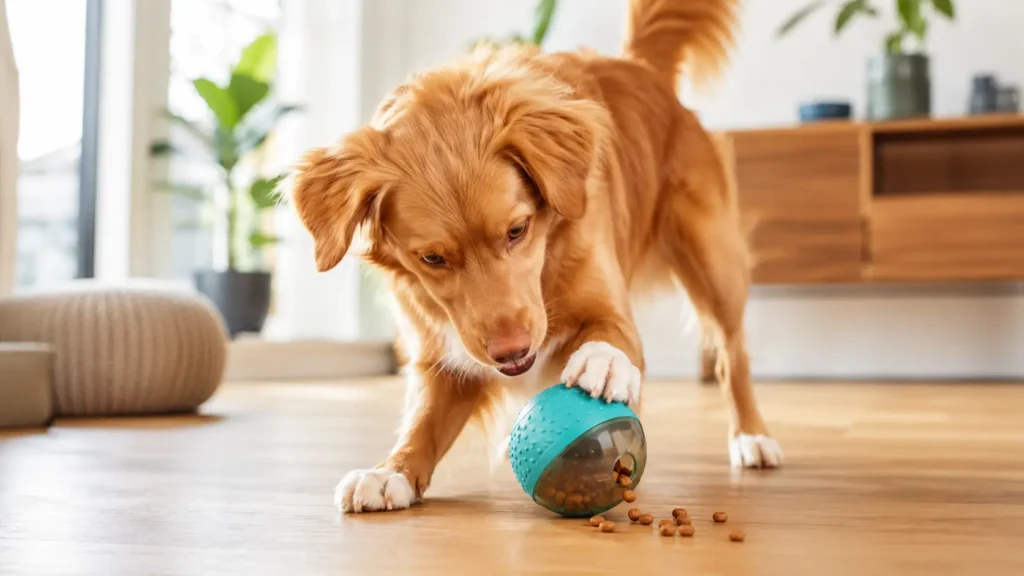
Treat dispensing dog toys are a smart way to make snack time more engaging while helping dogs slow down, think, move, and work for rewards. Instead of giving treats directly from your hand or a bowl, these toys release food gradually as your dog nudges, rolls, paws, or solves a small challenge.
For dogs that eat quickly, get bored indoors, or need more mental stimulation during the day, a treat dispensing toy can become part of a healthier enrichment routine. The right toy can help extend mealtime, reduce boredom, and give your dog a fun problem to solve at home.
This guide explains how treat dispensing toys work, what benefits they offer, how to choose the right option, and when to combine them with other enrichment tools like snuffle mats or lick mats.
Key Takeaways
- Treat dispensing toys release kibble or treats gradually during play.
- They can support slow feeding, mental stimulation, and boredom relief.
- The best option depends on your dog’s size, chewing style, and activity level.
- Rolling treat toys are great for active dogs, while snuffle mats and lick mats can support calmer enrichment.
- Always supervise your dog when introducing a new feeding toy.
Table of Contents
What Are Treat Dispensing Dog Toys?
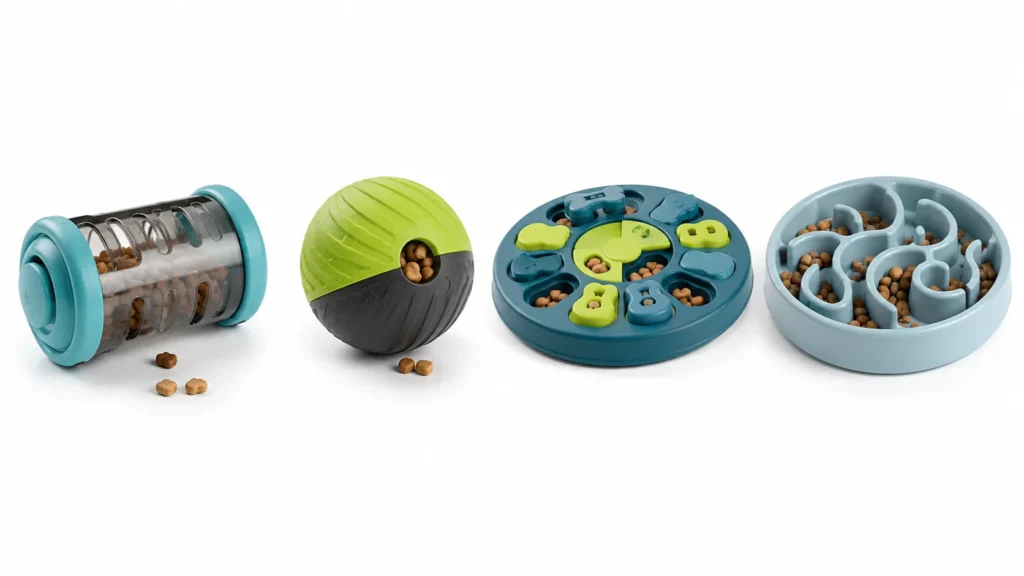
Treat dispensing dog toys are enrichment toys that hold small pieces of food and release them as your dog interacts with the toy. Some roll across the floor, some wobble, some use puzzle compartments, and others require your dog to push or paw the toy to access the reward.
The main idea is simple: your dog has to do a small amount of work before getting each treat. That turns a quick snack into a longer activity that can support focus, patience, and problem-solving.
Many dog owners use these toys for slow feeding, indoor play, rainy days, or moments when their dog needs something positive to do. They are especially useful for food-motivated dogs because the reward keeps them interested.
Why Treat Dispensing Dog Toys Are Useful
Dogs are natural problem-solvers. They enjoy sniffing, chewing, licking, pawing, chasing, and searching for food. When a toy taps into those instincts safely, it can make daily routines more interesting and satisfying.
Treat dispensing dog toys can help with several common needs. These dog treat dispensing toys slow down eating, encourage movement, create a focused activity, and help reduce boredom. For some dogs, a short enrichment session can make indoor time calmer and more manageable.
These toys are not a replacement for walks, training, or attention. They are a helpful tool that adds variety to your dog’s day.
Quick Comparison: Treat Dispensing Toy Options
| Toy Type | Best For | Main Benefit | Good Match |
| Rolling Treat Dispenser | Active play | Releases treats while the toy moves | Curious and food-motivated dogs |
| Treat Ball | Simple play | Encourages rolling and chasing | Dogs new to enrichment toys |
| Puzzle Feeder | Problem-solving | Requires more thinking and manipulation | Dogs that enjoy challenges |
| Snuffle Mat | Nosework | Encourages sniffing and foraging | Dogs that love searching for food |
| Lick Mat | Calm enrichment | Encourages slow licking | Dogs that need a calming activity |
Best Treat Dispensing Dog Toys: Our Top Pick
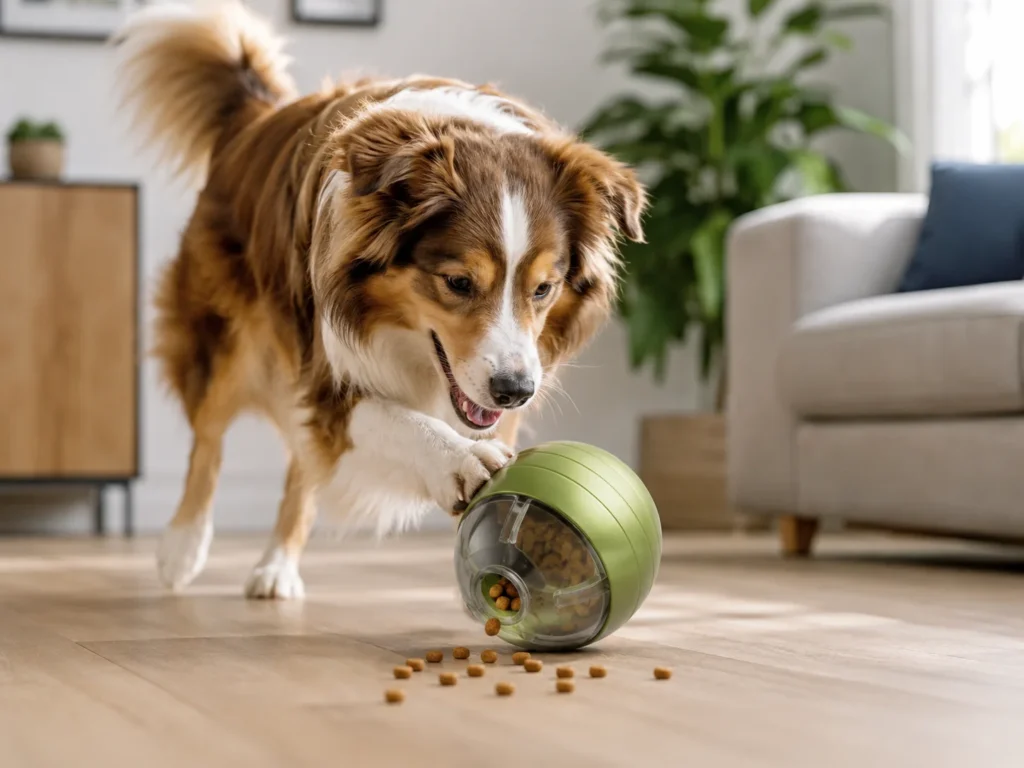
For dogs that enjoy movement, a rolling or wobbling dispenser is often one of the best treat dispensing dog toys to start with. It gives your dog a clear reward system: push the toy, move it around, and receive small pieces of food.
Our Treat Dispensing Dog Toy is designed for slow feeding, interactive play, and mental stimulation. The tumbler-style design helps the toy move naturally while releasing small treats gradually. This makes it useful for dogs that need a more engaging way to enjoy snacks.
You can use the Petlixx Treat Dispensing Dog Toy with small dry treats or kibble pieces that fit through the dispensing opening. It works best when your dog is supervised and encouraged during the first few sessions.
Best for
- Dogs that eat treats too quickly
- Dogs that enjoy pushing or rolling toys
- Food-motivated dogs
- Indoor play sessions
- Slow feeding and enrichment routines
Why it works
The toy rewards movement and curiosity. Your dog learns that interacting with the toy creates a small food reward, which can keep them engaged longer than a basic toy.
Best Alternative for Nosework: Dog Snuffle Mat
A treat dispenser is not the only way to slow feeding. If your dog loves sniffing, a Dog Snuffle Mat can be a great alternative or companion product. Instead of pushing a toy, your dog uses their nose to search for hidden kibble inside soft fabric layers.
Snuffle mats are especially helpful for dogs that enjoy natural foraging. They create a calmer enrichment activity and can make mealtime feel more rewarding.
If your dog gets too excited with rolling toys, a snuffle mat may be a softer, quieter way to provide daily mental stimulation.
Best Calming Option: Dog Lick Mat
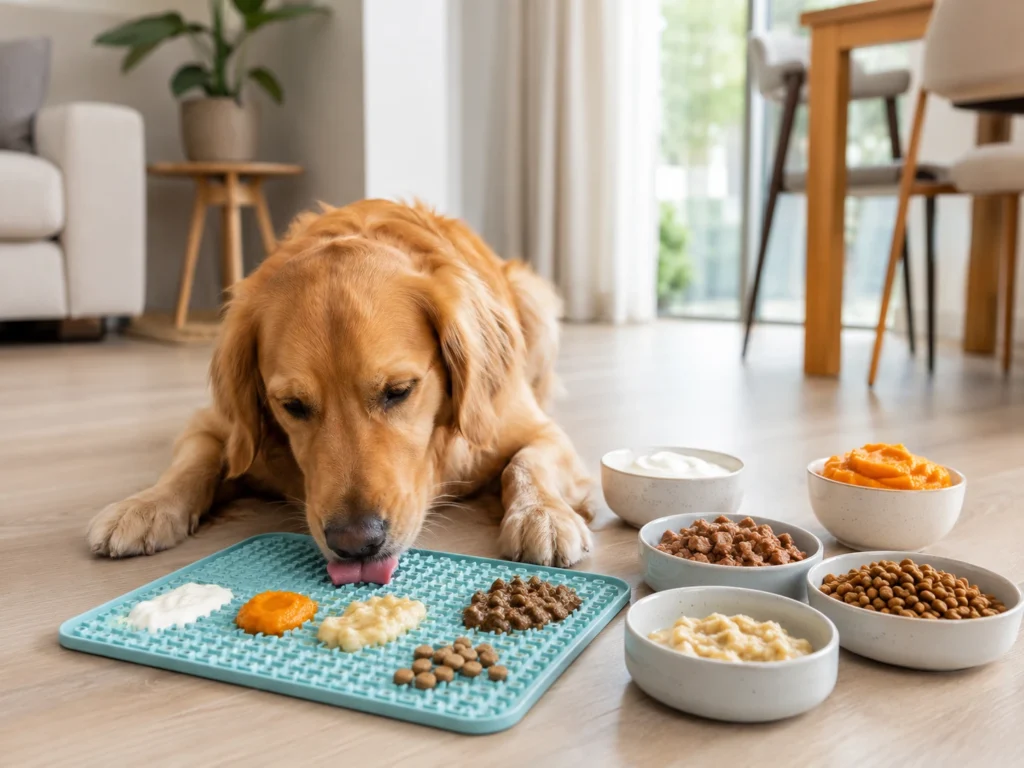
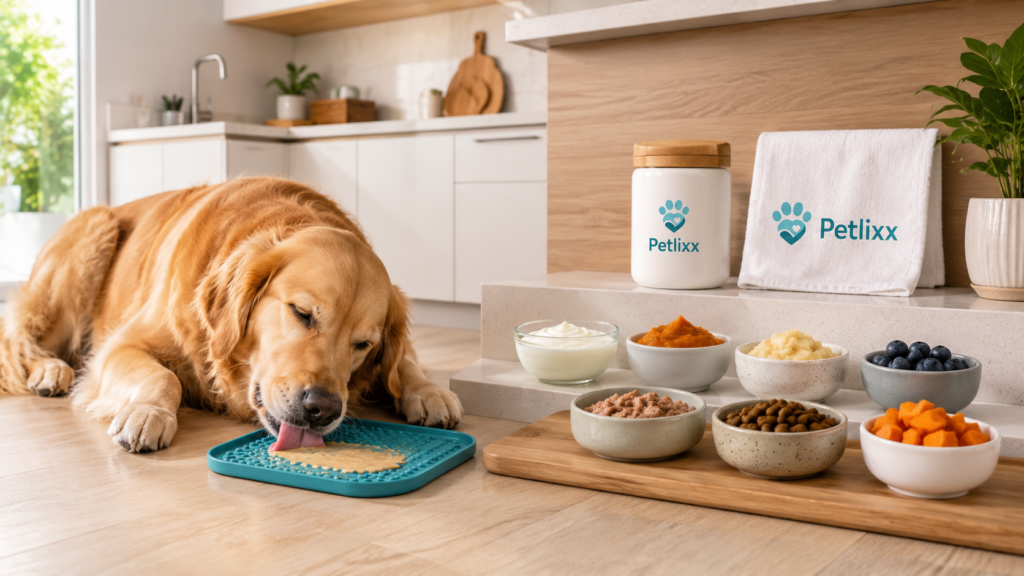
A Dog Lick Mat is another useful slow feeding tool, especially for dogs that benefit from calming activities. Instead of pushing or sniffing, your dog licks food from a textured mat. This can make treats last longer and help your dog stay focused during grooming, bath time, or quiet time.
Lick mats work well with dog-safe spreads, wet food, plain yogurt, pumpkin puree, or mashed banana. They are not the same as treat dispensing dog toys, but they support the same goal: turning food into a slower and more enriching activity.
How to Choose the Right Treat Dispensing Toy
Before choosing a dog treat dispenser toy, think about your dog’s size, treat style, chewing habits, and experience level. A toy that works well for one dog may not be the best choice for another.
Choose the right difficulty level
If your dog is new to enrichment toys, start with something simple. The toy should release treats often enough to keep your dog motivated. If it is too difficult, your dog may lose interest.
Check treat size
Use small dry treats or kibble that fit through the toy’s dispensing hole. Pieces that are too large can block the opening and make the toy frustrating.
Think about chewing style
Some dogs are gentle players, while others are strong chewers. A treat dispenser is usually made for interactive feeding, not aggressive chewing. If your dog destroys toys quickly, supervise closely and remove the toy after each session.
Look for easy cleaning
Any toy that touches food should be easy to clean. Choose toys that can be opened, rinsed, or washed after use so food residue does not build up.
For extra guidance on choosing safe dog toys, you can also read this American Kennel Club guide about choosing the right toys for your dog.
Treat Dispensing Dog Toys vs Puzzle Feeders
Treat dispensing dog toys and puzzle feeders are similar, but they are not always the same. Dog toys that dispense treats usually reward movement, while puzzle feeders often require the dog to slide, lift, or move pieces to find food.
A treat dispensing toy is usually better for active play. A puzzle feeder is better for dogs that enjoy slower problem-solving. Many dog owners use both because each one provides a different type of enrichment.
How to Use a Treat Dispensing Dog Toy
- Start with a few small treats so your dog understands the reward.
- Place the toy on a flat, safe surface.
- Let your dog sniff and explore the toy before expecting them to play.
- Gently roll or move the toy to show how treats come out.
- Supervise the first sessions and keep them short.
- Clean the toy after use.
Once your dog understands the game, you can use the toy during quiet indoor time, after walks, or as part of a daily enrichment routine.
Safety Tips Before Using Treat Toys
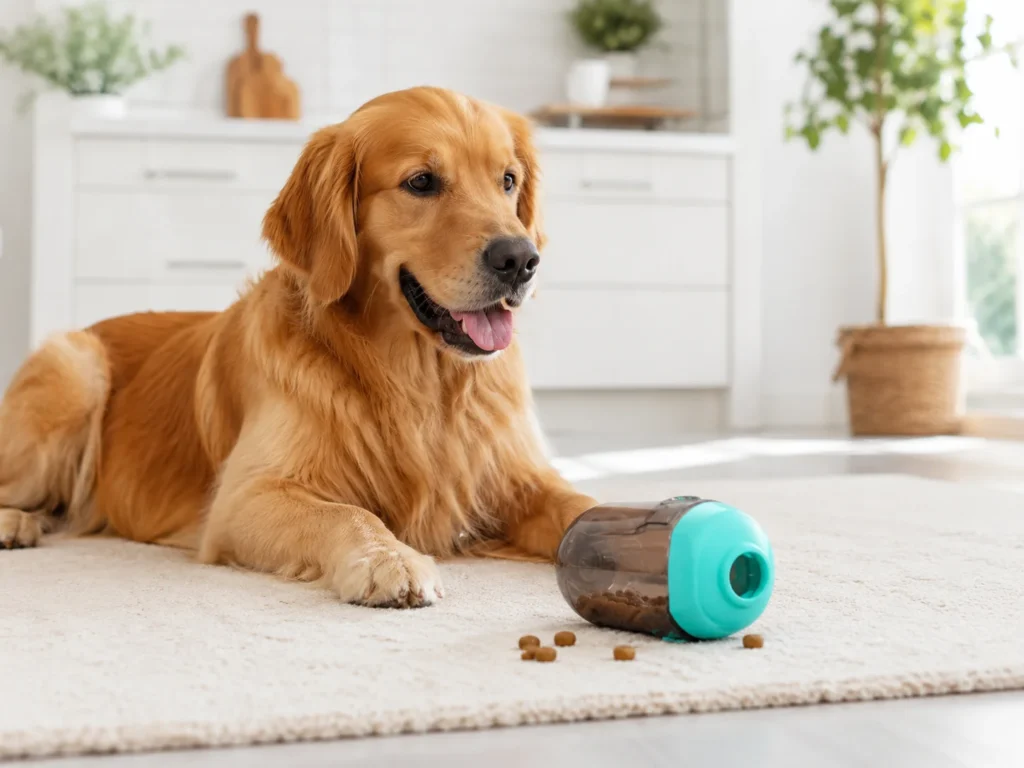
- Use treats that fit safely through the dispensing opening.
- Supervise your dog during play, especially the first time.
- Do not use feeding toys as chew toys.
- Remove the toy if it becomes cracked or damaged.
- Clean food-contact surfaces regularly.
- Choose a size and difficulty level that matches your dog.
For more general dog puzzle toy guidance, you can read the American Kennel Club guide to puzzle toys and enrichment.
How This Fits Into a Full Enrichment Routine
The best enrichment routine usually includes more than one type of toy. A treat dispenser adds movement and reward-based play. A snuffle mat supports nosework and foraging. A lick mat supports calmer licking and slow treat sessions.
For a broader comparison, see our guide to the best interactive dog toys for mental stimulation. That pillar guide compares treat toys, snuffle mats, and lick mats so you can choose the right mix for your dog.
Frequently Asked Questions
Are treat dispensing dog toys good for fast eaters?
Yes, they can help slow down snack time by releasing food gradually. For full meals, you can also use a snuffle mat, lick mat, or slow feeder bowl depending on your dog’s needs.
What treats should I use?
Small dry treats or kibble pieces usually work best. Make sure the treats are small enough to pass through the dispensing opening without getting stuck.
Can puppies use treat dispensing toys?
Yes, many puppies can use treat dispensing toys with supervision. Start with easy settings and short sessions so your puppy does not get frustrated.
Are these toys safe for strong chewers?
They can be used with supervision, but they are not designed to be chew toys. If your dog is a strong chewer, remove the toy after the enrichment session and check it regularly for damage.
How often can dogs use treat dispensing toys?
Many dogs can use them daily as part of a balanced routine. Rotate toys during the week to keep the activity interesting.
Final Thoughts
Treat dispensing dog toys are a simple way to make feeding and snack time more fun, slower, and more mentally engaging. They are especially useful for food-motivated dogs, bored dogs, and dogs that enjoy active indoor play.
If your dog enjoys movement and rewards, start with a treat dispenser. If your dog loves sniffing, add a snuffle mat. If your dog needs calm enrichment, add a lick mat. Together, these tools can create a healthier and more enjoyable daily routine for your dog.